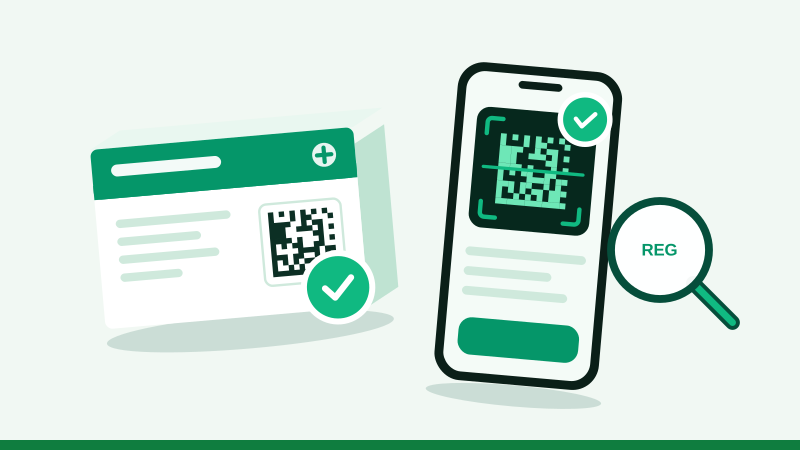
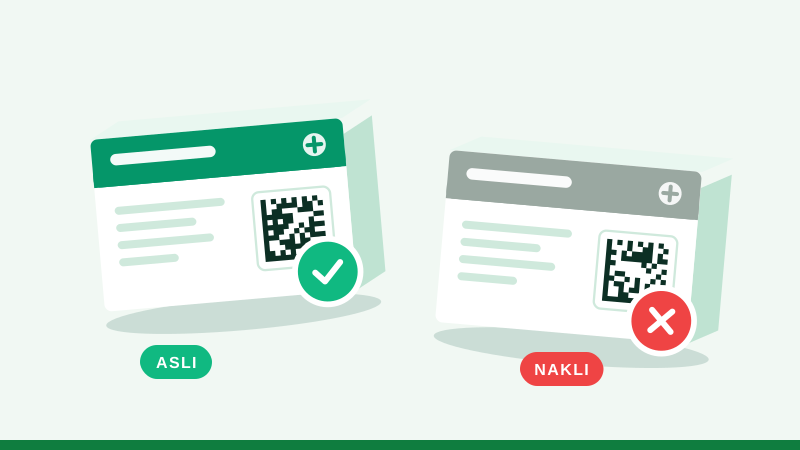
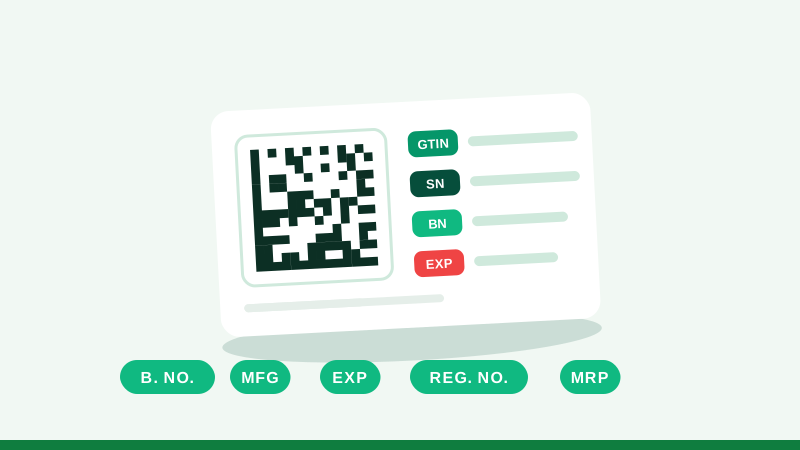
For pharmacies: a simple routine for scanning stock with Mehfooz Dawa
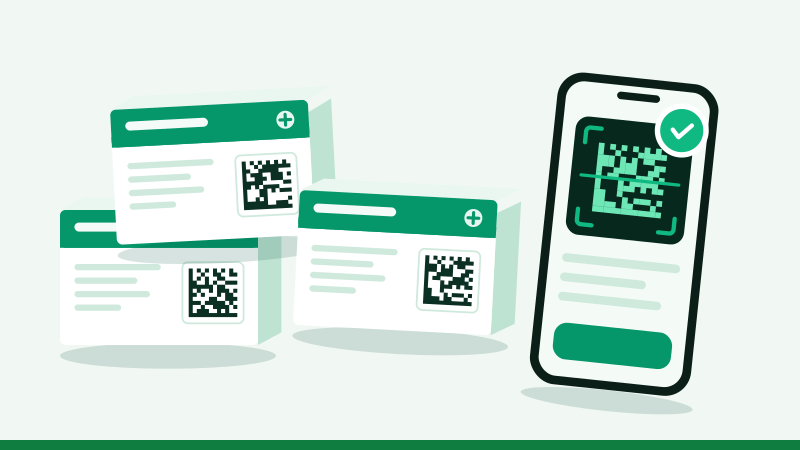
Scan a sample from every delivery before it goes on the shelf, keep any pack that fails aside, and scan in front of customers when they ask. It adds a few minutes a day and protects your customers, your licence and your reputation.
This is a good-practice guide from an independent site. For your legal obligations, rely on DRAP's notifications and your provincial drug control department.
When stock arrives
- Buy only from licensed distributors, with an invoiceAn invoice with batch numbers is your proof of where the stock came from.
- Match the invoice to the cartonsProduct, strength, batch numbers and expiry dates.
- Scan a sample from each batchFor high-risk lines such as injectables, antibiotics, hormones and expensive imports, scan more. Use the scanner or DRAP's portal.
- Check the result against the boxThe name, maker, batch and expiry on screen should match the print.
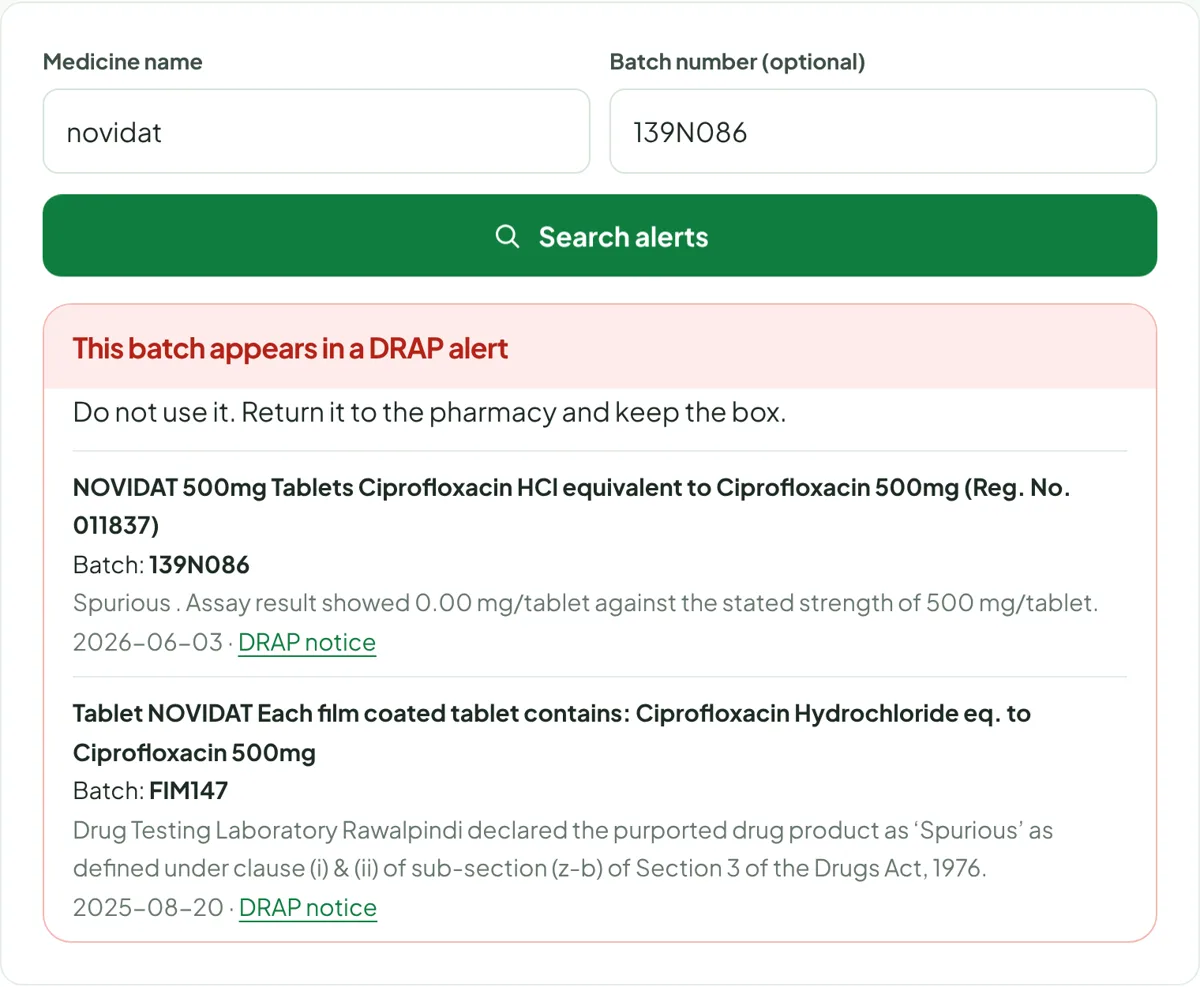
- Check the batch against recallsOur scanner does this automatically; you can also search by batch in the recall alerts.
When a pack fails
| Result | What to do |
|---|---|
| Not verified, one pack | Re-scan, then type the details. If it still fails, keep it aside and scan others from the same batch. |
| Not verified, whole batch | Do not sell. Contact the distributor for an explanation in writing. |
| Recalled or flagged | Remove all packs of that batch from sale at once and follow the recall instructions. |
| Expired | Remove from sale and return or dispose of it through your supplier. |
| No code on pack | Older stock may not carry codes. Check registration number, batch, expiry and seal as before. |
Quarantine properly
Keep a marked box or shelf for suspect stock, away from saleable stock. Label each item with the date, the supplier and what was wrong. Keep the invoice. This makes it easy to hand over to a drug inspector and shows that you acted correctly.
At the counter
- Give customers the full carton where possible, so they can see and scan the code.
- When selling loose strips, show the box and its batch and expiry.
- If a customer's scan fails, replace the pack from another batch and keep the failed one aside.
- Keep fridge items in the fridge until the moment of sale.
Reporting
Report suspected fakes to DRAP and your provincial drug inspector with the pack, the invoice and a note of the scan result. Our guide on reporting fake medicine lists what to include.
What DRAP's guidelines expect from retailers
DRAP's Guidelines on GS1 DataMatrix Barcode and Serialization, effective 28 July 2026, set out duties for distributors, wholesalers and retailers. In summary they are expected to register with DRAP and obtain GS1 Global Location Numbers (GLNs), to deploy and maintain systems capable of scanning the codes and interfacing with DRAP as required, and to report anomalous or suspect products to DRAP. The guidelines also say DRAP's verification logic will detect duplicates and flag anomalies, which is why scanning at each step matters. Exact timelines for each duty are set by DRAP, so watch its notices.
Equipment: what you actually need
| Setup | Cost | Good for |
|---|---|---|
| A smartphone with the official app or a browser scanner | Nothing extra | Small shops, spot checks, scanning in front of customers |
| Handheld 2D imager connected to a PC | A one-off hardware purchase | Busy counters and receiving deliveries |
| Pharmacy software that reads 2D codes | Depends on vendor | Recording batch and expiry automatically into stock |
Make sure any scanner you buy reads DataMatrix and not only linear barcodes and QR codes. Many cheap "barcode guns" read striped barcodes only.
A daily routine that takes ten minutes
- Morning: check alertsLook at new DRAP alerts and search your stock for named batches using our recall search.
- On delivery: scan samplesAt least one pack per batch, more for high-risk lines, and record the batch and expiry from the invoice.
- At the counter: scan on requestAnd offer it for expensive or high-risk medicines.
- Evening: expiry sweepOnce a week, pull stock within three months of expiry to the front or return it to the supplier.
Old stock without codes
Batches made or imported before 9 October 2026 are exempt from the barcode rule and remain permitted for sale, according to DRAP's circular of 8 October 2026. Do not refuse or discard them for lacking a code. Do check their registration number, batch, expiry and condition as before, and record the manufacturing date. A pack manufactured after the deadline without a code is a different matter: keep it aside and ask the supplier. Our guide on medicine without a barcode explains the rule for customers who ask.
Talking to customers about a failed scan
Customers will increasingly scan in your shop. When a scan fails, how you respond matters for trust. Thank them, scan it yourself, check the details by hand, and replace the pack from another batch if it still fails. Keep the failed pack, note the customer's concern, and contact your supplier. Never argue that "the system is wrong" without checking, and never put a failed pack back on the shelf.
Prices and the counter
Sell at or below the price printed on the pack. When selling part of a pack, charge the proportional share of the printed price and show the customer the box. Customers can now check official prices in seconds with our DRAP price search, so transparency protects your reputation.
Cold chain at the pharmacy
Fridge items such as insulin and vaccines must be kept at 2 to 8 °C. Keep a thermometer in the fridge and note the temperature twice a day. During long power cuts, keep the door shut and move stock to insulated boxes with cool packs. DRAP's complaint form lists "cold chain breach" as a complaint type, and customers do report it. Hand fridge items over straight from the fridge, and advise the customer on keeping them cool on the way home.
Customers without a smartphone will ask you to scan for them; our guide to verifying without a smartphone explains the options you can point them to.
Questions people ask
Do I need special equipment to scan packs?
No. A phone camera and a browser are enough to check individual packs. Busy counters may prefer a handheld 2D scanner that reads DataMatrix codes, which is faster for many packs.
A whole delivery shows "not verified". What should I do?
Check a few packs by typing the details to rule out scan errors, then contact the distributor before selling the stock. If the distributor cannot explain it, keep the delivery aside and report it.
Should I scan packs in front of customers?
Yes, when they ask, and it is good practice to offer. A pharmacy that helps customers verify their medicine earns trust.
What are my legal obligations under track and trace?
Requirements and deadlines are set by DRAP and may differ for manufacturers, importers, distributors and retailers. Check DRAP's own notifications and portal for what applies to your licence. This guide covers good practice, not legal advice.
Do retailers need a GLN for DRAP track and trace?
DRAP's guidelines say distributors, wholesalers and retailers should register with DRAP and acquire GLNs. Check DRAP's notices for the timeline that applies to your business.
Can a pharmacy still sell medicine without a barcode?
Yes, if the batch was manufactured or imported before 9 October 2026. Such batches are exempt and remain permitted for sale.
Pharmacy owners: dawa scan karna zaroori hai?
DRAP ke guidelines ke mutabiq distributors aur retailers ke paas code scan karne ka nizam hona chahiye aur mashkook dawa DRAP ko report karni chahiye. Har nayi delivery ke kuch pack scan karna achhi aadat hai.