DRAP track and trace system and S.R.O. 963(I)/2026 explained
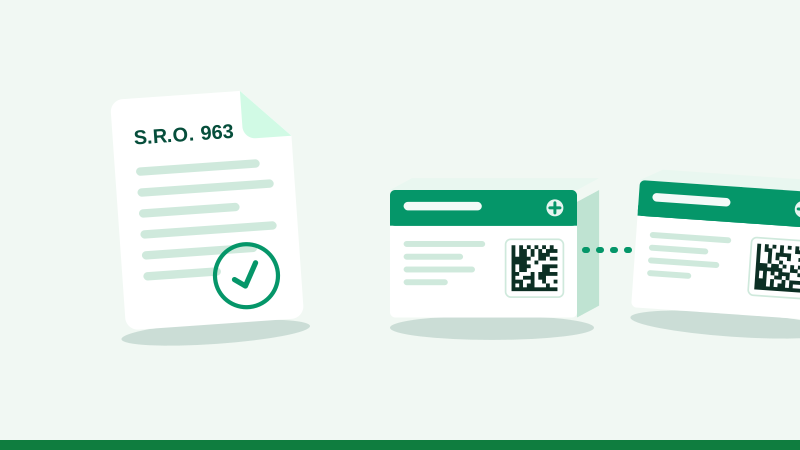
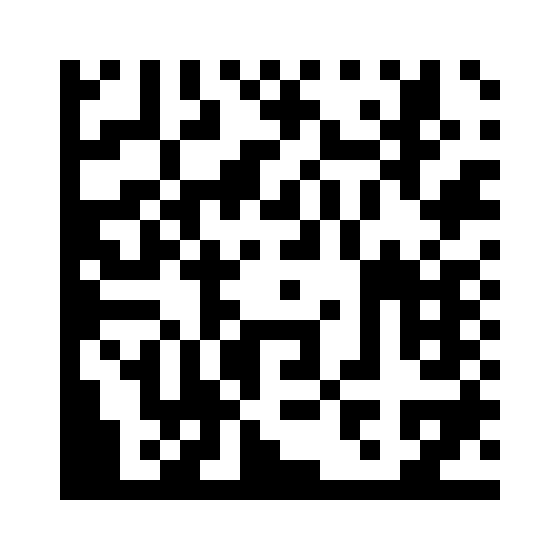
DRAP's track and trace system requires every registered drug product manufactured or imported from 9 October 2026 to carry a GS1 DataMatrix barcode with a unique serial number on its secondary pack, under S.R.O. 963(I)/2026. The public-facing side of the same system is called Mehfooz Dawa.
This summary is based on DRAP's circular of 8 October 2026 and its Guidelines on GS1 DataMatrix Barcode and Serialization of Pharmaceutical Products (effective 28 July 2026). It is not legal advice; companies should work from the official documents on dra.gov.pk.
Timeline: track and trace system launched October 9 2026
| Date | What happened |
|---|---|
| June 2026 | S.R.O. 963(I)/2026 amends the drug labelling and packing rules to require 2D barcoding and serialization |
| 28 July 2026 | DRAP's technical guidelines on GS1 DataMatrix and serialization take effect |
| September 2026 | DRAP runs training sessions for industry in Punjab, Sindh and Balochistan, KPK, and Islamabad, Rawalpindi and AJK |
| 8 October 2026 | DRAP circular confirms the deadline and the exemption for older batches |
| 9 October 2026 | Phase 1 in force: serialization mandatory on secondary packs |
| Up to six years | Planning horizon in the guidelines for full serialization of tertiary (shipper) packs |
What must be on the pack
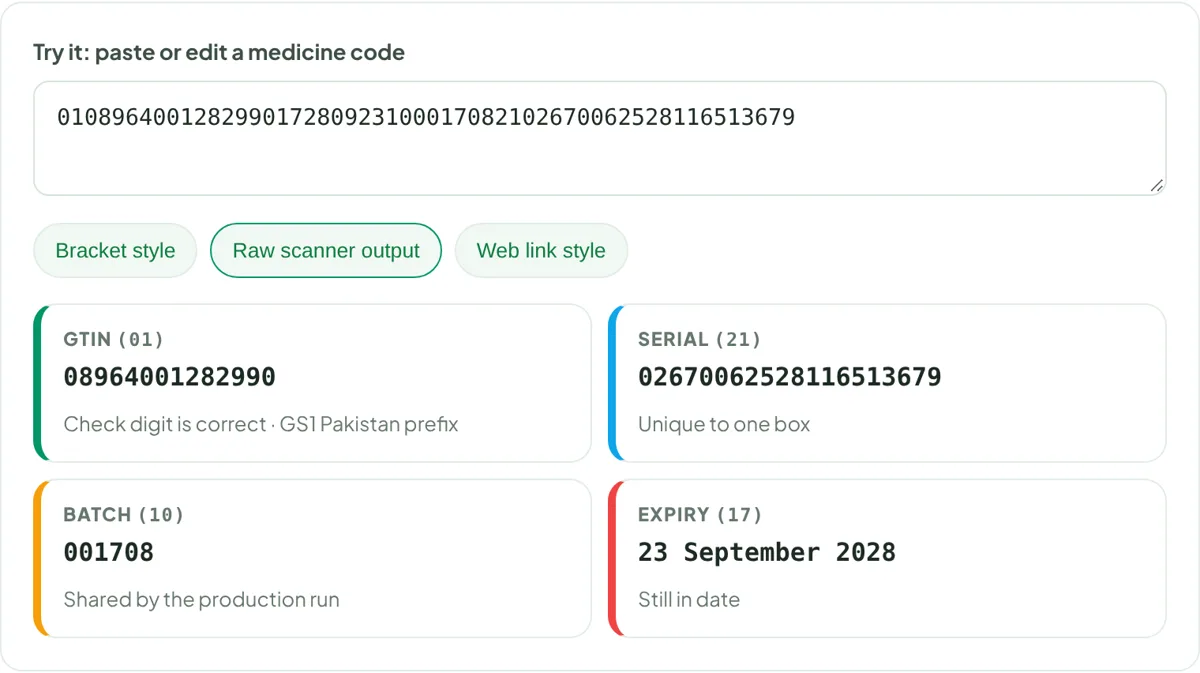
Each secondary pack carries a GS1 DataMatrix encoding four GS1 application identifiers:
| AI | Data | Format in DRAP's guidelines |
|---|---|---|
| (01) | GTIN | 14 digits |
| (17) | Expiry date | YYMMDD |
| (10) | Batch / lot number | Up to 20 characters |
| (21) | Serial number | Randomised, unique, hexadecimal (0-9, A-F), 12 to 20 characters |
The same data is printed beside the code as human-readable text. The brackets around the identifiers are for readers only and are not encoded. Our GTIN, serial and batch guide explains each field, with a live decoder.
Packaging levels
| Level | Example | Requirement |
|---|---|---|
| Primary | Blister strip, vial | Exempt at present; DRAP may revise |
| Secondary | The carton you buy | GS1 DataMatrix with GTIN, expiry, batch and serial, from 9 October 2026 |
| Tertiary | Shipper carton | SSCC in a GS1-128 barcode; implementation within six years |
Printing and quality points
- Print quality of at least ISO/IEC grade C; the manufacturer is responsible for readability.
- Module size may range from 0.25 mm to 0.615 mm, typically 0.33 to 0.45 mm.
- Keep at least 1 cm between an existing linear barcode and the DataMatrix on the same face.
- The encoded expiry must match the approved expiry of the batch; the printed date may follow the MM/YYYY style where the labelling rules allow it.
Who has to do what
| Stakeholder | Duties in the guidelines |
|---|---|
| Manufacturers and importers | Register with GS1 for GTINs and related identifiers; register in DRAP's system; generate unique serials; upload master and event data; verify barcode quality before dispatch |
| Distributors, wholesalers, retailers | Register with DRAP and obtain GLNs; be able to scan the codes and interface with DRAP as required; report suspect products |
| DRAP | Run the national system, including consumer verification through a mobile application |
Data submitted to DRAP must be retained for at least three years after the product expires.
What it means for patients and pharmacies
Patients can scan a pack and see whether its serial is in DRAP's records. Pharmacies can check incoming stock; see our pharmacy scanning routine. Packs made before the deadline have no code, which is explained in medicine without a barcode.
How a pack moves through the system
- Codes are generatedThe manufacturer creates a unique random serial for each carton.
- Codes are printed and checkedEach carton gets its DataMatrix and printed text; print quality is verified before dispatch.
- Data is uploadedMaster data and event data go to DRAP's track and trace system.
- Cartons are aggregatedParent-child links connect cartons to shippers, so a shipper scan accounts for its contents.
- Supply chain scansDistributors and pharmacies can scan as stock moves.
- Patients verifyAnyone can scan through the official app, the portal or tools such as our scanner.
- Anomalies are flaggedThe system's rules accept or reject scans, detect duplicate serials and flag anomalies.
Why it was introduced
DRAP's guidelines list five purposes: increasing patient safety, reducing medication errors, detecting and preventing counterfeit medicines, enabling traceability with rapid recalls and withdrawals, and keeping information flowing accurately between stakeholders. The circular of 8 October 2026 adds that the system is part of DRAP's digitisation under its Strategic Plan of the National Regulatory System 2026–30, and that DRAP held policy dialogues with industry bodies including the Pakistan Pharmaceutical Manufacturers' Association and the Pharma Bureau before the deadline.
Common compliance questions
| Question | Answer from DRAP's documents |
|---|---|
| Do physician samples need codes? | Yes. Sampling units must be marked to the same standard as saleable units. |
| Can serials be sequential? | They must be randomised and unique, with the least probability of collision. |
| What data format is used for upload? | Platform-independent CSV, XML or JSON. |
| How long must data be kept? | At least three years after the product's expiry. |
| Does the printed expiry have to be a full date? | The encoded expiry is YYMMDD; the printed one may be MM/YYYY where the labelling rules allow. |
| Do imported products comply too? | Yes, from the same date. |
Track and trace: dawa ke dabbay par code kyun
9 October 2026 se Pakistan mein bani ya import hui har registered dawa ke dabbay par chakor 2D code aur ek munfarid serial number lazmi hai. Yeh qanoon S.R.O. 963(I)/2026 ke tehat hai. Is se pehle bane batch mustasna (exempt) hain. Mareez is code ko scan kar ke dawa ki tasdeeq kar sakte hain.
For a non-technical overview of the code itself, read what barcode medicine identification means.
Questions people ask
What is S.R.O. 963(I)/2026?
It is the notification of June 2026 that amended Pakistan's drug labelling and packing rules to require a 2D DataMatrix barcode and serial number on pharmaceutical products, creating the legal basis for DRAP's track and trace system.
When did DRAP's track and trace system start?
Phase 1 took effect on 9 October 2026. From that date, registered drug products manufactured locally or imported into Pakistan must carry a unique 2D DataMatrix barcode and serial number on the secondary pack.
What does Phase 1 cover?
According to DRAP's circular of 8 October 2026, Phase 1 covers all locally manufactured and imported pharmaceutical products, with serialization at secondary packaging level. Primary packaging is exempt for now, and DRAP's guidelines give up to six years for tertiary (shipper) level.
Is old stock without a barcode still legal?
Yes. Batches with a manufacturing date before 9 October 2026 are exempt and remain permitted for import, distribution and sale.
What happens to companies that do not comply?
DRAP's circular states that legal action under the relevant legislation will be initiated in case of non-compliance.
What is DRAP track and trace phase 1?
Phase 1, in force from 9 October 2026, requires a unique 2D DataMatrix barcode and serial number on the secondary packaging of all registered drug products manufactured locally or imported into Pakistan.
Where can I read DRAP's 2D barcode guidelines?
DRAP publishes its Guidelines on GS1 DataMatrix Barcode and Serialization of Pharmaceutical Products in the regulatory updates section of dra.gov.pk.
Who developed the track and trace system?
DRAP developed and launched it, with the National Information Technology Board (NITB) as the technical developer of the portal and the official app.
What happens to serial numbers after a pack is sold?
The system records events in the pack's life. Scanning the same serial in unexpected places helps reveal copies, which is why duplicate detection is part of DRAP's verification rules.
Is SRO 963 the same as SRO 963(I)/2026?
Yes. People shorten S.R.O. 963(I)/2026 to SRO 963. It is the June 2026 amendment to the drug labelling and packing rules that requires the 2D barcode and serial number.
What are the serialization requirements for pharmaceutical companies in Pakistan?
From 9 October 2026, each secondary pack needs a GS1 DataMatrix with GTIN, expiry, batch and a randomised hexadecimal serial of 12 to 20 characters, with data uploaded to DRAP. Companies must register with GS1 and DRAP and verify print quality.
When was the track and trace system launched?
The track and trace system's Phase 1 took effect on 9 October 2026, the date from which serialization became mandatory for newly manufactured and imported products.